

Business Coaching for Writers
The common advice about the writing life is that you can’t make a living writing or working with writers. I’m living proof that’s just not true. For the past decade, I have made my full-time living as a writer, editor, and writing coach, and I’d like to help you do the same.
Let me help you sort through the massive amount of advice out there. Let me help you set goals and make strategies to achieve them. Let me help you figure out what works for your word-based business at this moment in your life.
It is possible to make a living with words. I can show you how.
Learn more about Coaching Services.

Building Your Dream, Word-Based Business
-
Andi’s editing services are amazing. After reading the rough draft of my memoir, she encouraged me to dig deeper, to be more vulnerable, to push through until the real meat of my story shone through. With her suggestions, I was able to approach my work with a new perspective, and it encouraged me to keep writing and to make my work the best I could possibly make it. Her encouragement and gentle nudging helped me push through and finish.
— Jamie Kocur, First-Time Author and Songwriter
-
Andi performed a Manuscript Review of my forthcoming book The Type B Financial Plan. She did exactly what she promised and completed the task on time. Her suggestions were right on point, easy to implement, and our conversations provided me with lots of good information about the self-publishing process. Better yet, Andi has connected me with all sorts of helpful people that are helping this first time author produce the best book possible. Thanks Andi!
— Paul Walters, Author of The Type B Financial Plan
Writing Books
-
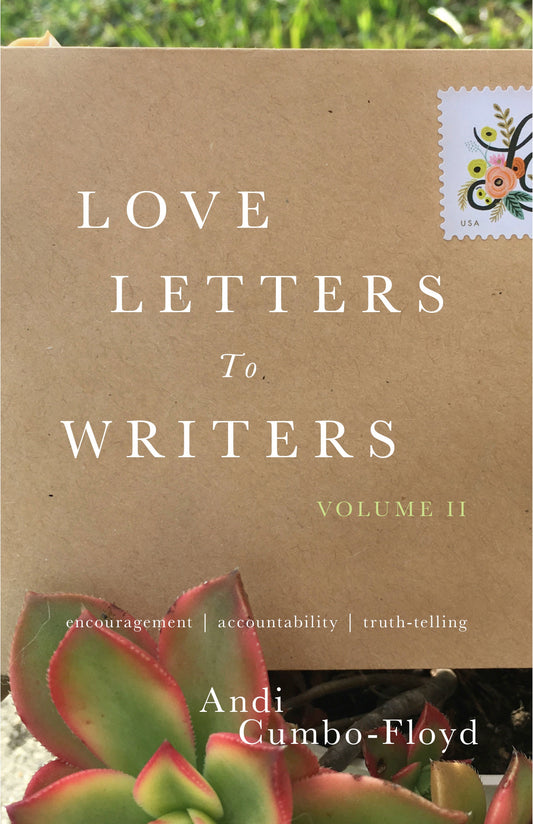
Love Letters to Writers
Regular price From $5.00 USDRegular priceUnit price per -
Love Letters To Writers: Volume II: Encouragement, Accountability, and Truth-Telling
Regular price From $5.00 USDRegular priceUnit price per -
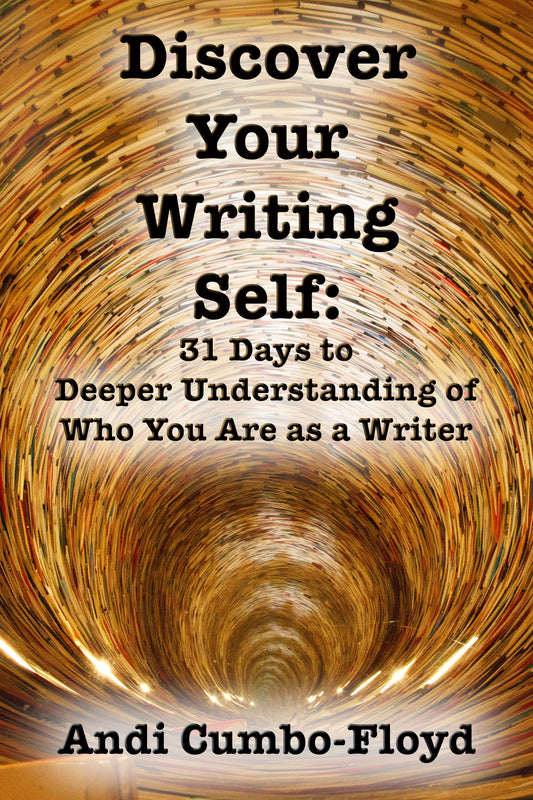
Discover Your Writing Self: 31 Days to Deeper Understanding of Who You Are as a Writer
Regular price From $5.00 USDRegular priceUnit price per

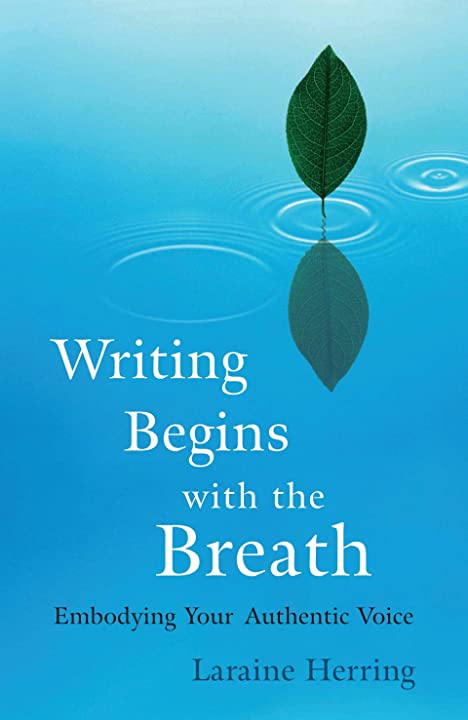

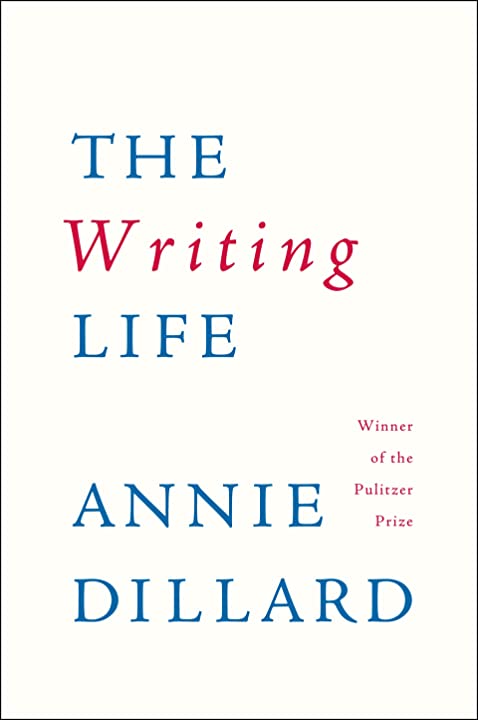

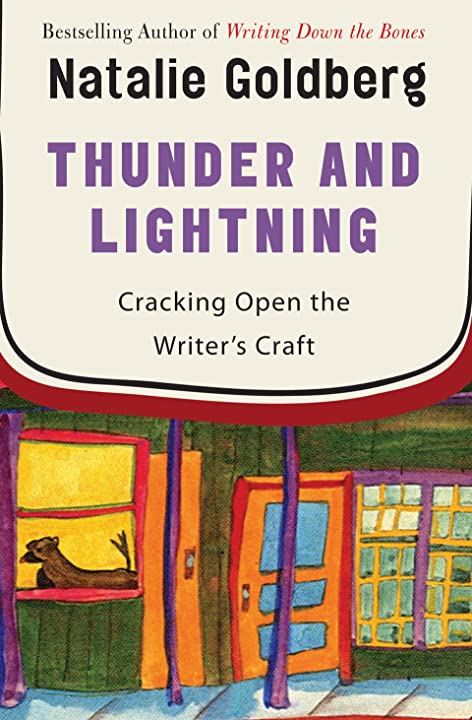
Explore some of Andi's favorite books on writing above. As an Amazon Associate, Andi earns from qualifying purchases made through recommendation links on our website. Thank you for being a writer and supporting independent authors.
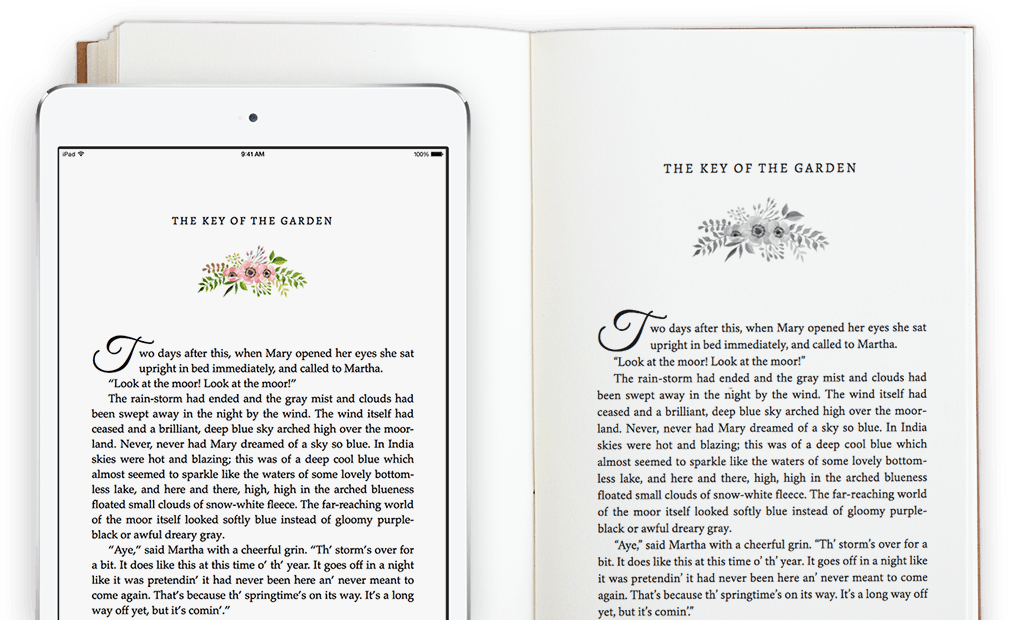
Tools for Writers
Formatting books for publication can be challenging. Andi recommends Vellum: "it was one of the best investments I'd made in my writing life". Learn more »
Mountain Ash Press
Introducing Mountain Ash Press, a boutique press that is here to help you bring your book into the world. Choose from one of our three packages to guide your publishing journey.