J.D. Scrimgeour’s Themes of English B

This year, for the first time in my life, I’ve started paying attention to the books that win awards, so when I saw this book – Themes for English B: A Professor’s Education in and Out of Class – saw that it won the AWP Award for Creative Nonfiction in 2005 and saw that it was written by a guy who teaches at Salem State, a public school probably much like the one I teach in, I thought I should give it a try.
I’m glad I did. The writing is lovely but not flowery or overblown. The stories are real and tragic and glorious and painful – all the things I see in the stories my own students have to tell. The message – if such a book has a message – is true – be real yourself, realize what your students have to give you, and keep working and learning. It’s a book I needed to read at this time in the semester.
Scrimgeour tells tales about the teachers who inspired him, about how he hopes to inspire, and about the times he doesn’t. He talks about the things he says that hope lodge in his students brains and those moments when he just wants to cancel class because he know that no one, himself included, wants to be there on a Friday afternoon. I recognize all these moments, and if nothing else, this book comforts me and reminds me that I’m not alone.
But it’s more than that – it’s a model itself – of a great a teacher, a good writer, and a human who tries to make the best of all things.
While the last section of the book strays away from teaching a bit – into subjects like basketball and a collaborative dance/poetry project – the honesty and straight-forwardness of the writing carry the reader through.
For anyone who has taught or done anything that brings equal parts glory and frustration, this book is a great read.

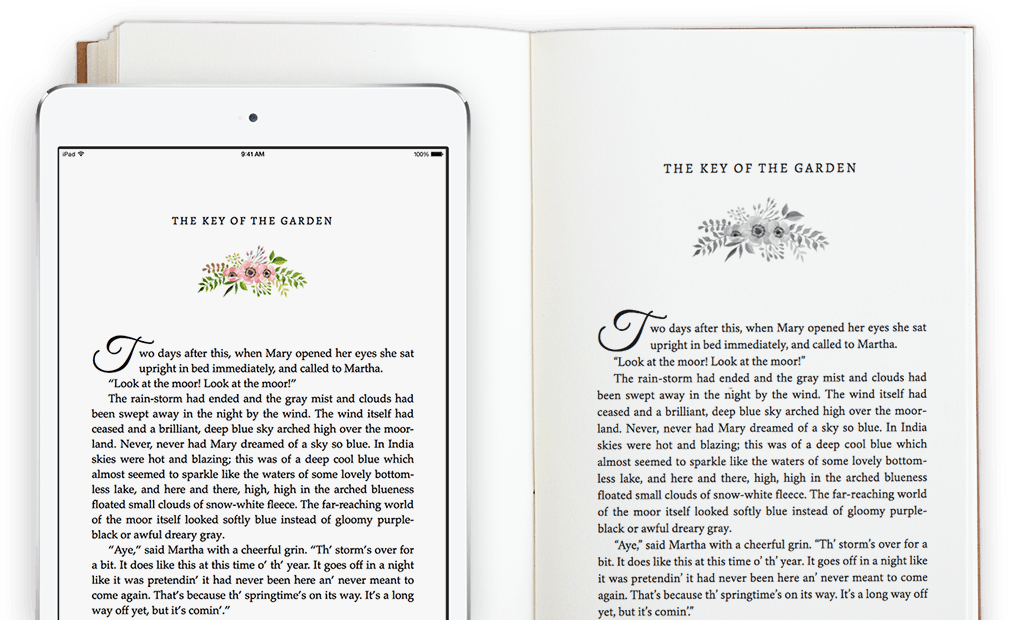
Themes for English B by J.D. Scrimgeour Cover of Themes for English B by J.D. Scrimgeour

The End of the Semester – Glory and Groans

For the last two days, I conferenced with the students in my composition courses (at least with the students who took the time to sign up for a conference and actually show up at the time they signed-up for). I walked away from those eight hours of conferences with two distinct impressions.
First, some of my students have got it together – they have drafts or complex outlines; they’ve looked up sources and are working them in as support for their own ideas; they’re thinking deeply and creatively about their topics.
Second impression – less positive. These students don’t have it together at all. They didn’t make it to a conference – first major problem. They didn’t have a draft, second major problem. They had one page of a draft but no thesis or support and, therefore, no shape for their ideas. Or even worse, they had a draft, but there was no way in the world that their draft was going to pass.
As I sat with these lovely people – and all of them are lovely, at least when they try to be – I could see they were fried, little smoldering embers of the fires they were at the beginning of the semester (albeit for some of these guys the fire they are about education is very tiny and weak, like a campfire built out of wet wood – mostly smoke, little flame). But now they’re almost nothing – so tired from taking classes, working jobs, raising kids that they can barely function.
And yet, I expect them to function. They signed up for a class, and now they need to finish it.
But some of them won’t – come the end of this week when their research papers are due, I will probably only get papers from two-thirds of them, the other one-third giving up on this class and maybe on their education.
While this resignation on their part will make me sad and feel like a failure at some level, it also grieves me because I believe that if someone cannot make it through an eight-to-ten page research paper (as much as I recognize the academic challenge in that work for my students) then they probably will not rise to much greater challenges like doing the right thing in the face of an injustice, or even keeping a job that isn’t perfect in any way. I fear that if they quit in this, then they may quit at a lot more important things than a research paper.
So, I beg and plead with them, cajole and work with them, because I want to see a paper from each of them at the end of this week. I won’t, but that’s what I want. I only wish it’s what they wanted to. I’ll just have to take heart that some of them do.

Lyrics – Snippets of Honesty

I’m sitting here listening to some of my favorite songs, trying to figure out which ones capture me the best. Is it the Indigo Girls‘ “Least Complicated” – “I’m just a mirror of a mirror of myself” – or is it Over the Rhine’s “Latter Days” – “There is a me a you would not recognize, dear?” I seem drawn to songs, to lyrics specifically, that remind me that I am not always who I show myself to be. I wonder what that says about me; I wonder what that says about my writing.

This week, I reread Cassandra Lane’s amazing essay “Skinned” about her hurt, pain, hate (I’m not sure I can capture it -just read it) about white people and the pain we have caused her and her ancestors. I was struck, as was one of my students, with her unbandaged honesty, the way she told how she really felt, as ugly and off-putting as it might be.

I remember David Ulin saying once that he was always impressed by Paul Theroux’s honesty, his unflinching ability to speak the truth about himself even when it was certain that the reader would like him less for it.

I find myself, as I cull through my music collection and note my own predilections, wondering if I do the same. In my best moments, rare as those are, I think I do. But in those first moments, those first drafts, and in those moments when I want to be a bit too cute, a bit too profound, I lose myself and become that “mirror of a mirror,” that “shadow of myself.” But then maybe we all do.

Tragedy and Teaching

It’s impossible for me to think about being a teacher this week without thinking about the teachers and students at Virginia Tech. How tragic, horrifying, terrifying – what word actually describe it – the world must have been at during those interminable minutes on Tuesday. I can’t imagine much less articulate that experience.
And now, as a teacher whose students are troubled and wonderful, sometimes at the same minute, I’m left wondering how to handle this situation in the mildest of senses. How do I integrate this reality into my own world? What do I do with this information?
A colleague told me tonight about Nikki Giovanni’s experience with the shooter in a creative writing class two years ago where everything he wrote made the rest of the class uncomfortable. Will that happen in my creative writing class in the fall? If so, what will I do? How will I handle that? Do I deny a student free speech or a learning opportunity because he’s scary? Do I deny, potentially, my other students’ safety by not denying him these rights? What do I do?
What do I do, if again like last semester, I have a student burst into my classroom and call another student out only to see the unknown student pinning my own student against the wall? How do I address that situation with the other students? How do I protect the threatened student? Do I?
And so, while my sense of grief about this terrible massacre is not nearly as deep as those who are there, those, who like my family live in Virginia, and certainly not as profound as that of the families and friends who have lost dear ones, I am grieving and in grieving hopefully lights shines in, not now, but in days to come.

Squeezing Words out of Minutes

If you’re an astute reader of this page, as I’m sure you are, you’ll realize that I have more Book Recommendation Posts than Teaching Posts and Writing Posts. Such is the story of my life. I have to put my teaching first most days because that’s how I manage to have some frozen lasagna for dinner, and after I do that, the most I really have energy, much less creativity, for is reading, usually as I soak in a hot tub. And even that reading falls aside as I drift off into sleep, dropping the unsuspecting book into the hot water.
So how are we, as writers, supposed to find time to write? It’s an age-old proverb – at least as old as the 20th century American continent where the idea of writing for work has largely disappeared. We struggle with it and find our own solutions – Brian Bouldrey, a great nonfiction/fiction writer and teacher at Northwestern doesn’t write during the year; he only writes during summers. Sharman Apt Russell gave me the model I use – try to schedule your teaching for later in the say so that you can write in the morning and not have your students in your mind. Some days that works. Most days it doesn’t.
I’m finding myself on a weird writing schedule where approximately every other week I squeeze out a few hours of writing time, usually in the mornings as Sharman suggested, but not every morning and definitely not two weeks in a row. I just can’t maintain that time with my teaching demands.
So instead, I’m trying to squeeze out individual minutes to write – and by write I don’t always mean actually put words on the page (that would be far too ambitious). By write, I mean actually think about my writing – while I’m at the grocery store, as I take a walk on our college’s nature trail, when I’m in the shower – the shower is my favorite. (Bath for reading, shower for thinking – I’m sensing my own subliminal theme) And it’s working. I’m moving forward, even if only mentally, on some things. And hopefully, this summer I’ll get a few more minutes in every day and can actually produce something.
In the meantime, I’ll blog – that doesn’t take too much time – I’ll jot notes and quotes in journals; I’ll read; and eventually, I’ll get to that page (or the screen as the case may be) and put some words on paper. All that writing and so little time.

Next Page »

Recently Read